
Lezing | Narratives, identities and the festering genocide wound
Some Postcolonial provocations
| Veranstaltung des Duitsland Instituut Amsterdam |
|
|---|---|
| Datum: | Montag 15 Juni 2026 um 16:00 Uhr bis 17:30 Uhr |
| Ort: | Universiteit van Amsterdam, Bushuis, Kartinizaal, Kloveniersburgwal 48, Amsterdam |
| Information: | Voertaal: Engels |
| Zugang: | Gratis; aanmelding niet nodig |
 © Namafu Amutse, Chrysalis II (2020). A work engaging themes of identity, vulnerability and transformation.
Op 15 juni is literatuurwetenschapper Nelson Mlambo te gast in Amsterdam. In zijn lezing zal hij aan de hand van de Namibische genocide-roman laten zien hoe onderzoek naar narratieven en faction (de combinatie van feiten en fictie) een belangrijke rol kan spelen om de volle omvang van de genocide te begrijpen. Daarbij gaat hij ook in op de manier waarop deze gebeurtenissen tot op heden identiteiten en geschiedenissen blijven vormgeven, en op de dialectische relatie tussen persoonlijk en collectief trauma.
De voertaal van dit evenement is Engels.
As humans are essentially homo narrans (storytellers) by nature, the presentation will use one published genocide-survivor-narrative-inspired text to provide a nuanced and qualitatively driven literary analysis of the Herero/Nama-German conflict, which took place in 1904-1908.
Narratives and storytelling
The aim is to demonstrate the literary manifestations of conflict by using historical fiction, which offers a creative/imaginative presentation of reality as a bleeding wound and, thus, as the basis for negotiating restorative justice and peaceful co-existence.
The presentation will therefore focus on The Sands Shall Witness by Walter Williamson (2023) to explore the ‘present-historical-immediacy’ of the genocide and its enactment, the pragmatics of love in wartime, the perpetrator conundrum and human universals, and how these shape paradoxical identities. What is important is showing how the creative arts aptly capture the qualitative facets of life, the ‘unspeakable’ and the seemingly unrepresentable horrors of conflict and the enactment of collective trauma as an enduring genocide wound.
More so, by exploring the deep historical scars through this text, the question is: How do narratives and storytelling help to expose the intersection of narratives, identities, and collective trauma, especially concerning instances where, on the ground, there are a myriad forms of provocations, piecemeal appeasements, and attempts towards erasure and sanitisation. The presentation will use this re-imaginative live artifact/historical novel set in colonial Namibia as source material to speak to ways in which conversations can be held around areas where deletion and silence have been evident, and to demonstrate how the full weight of the genocide continues to shape identities, histories, and futures.
The text offers multiple memories of the conflict and demonstrates how cultural artifacts and artistic creations narratively serve as vehicles of memory, resuscitating decolonial thoughts about conflict, atrocities, race-thinking, and reconciliation; as the author memorialises “how” the conflict took shape and provides an aesthetic that fictionalizes history as a basis for peaceful negotiation and healing.
Over de spreker
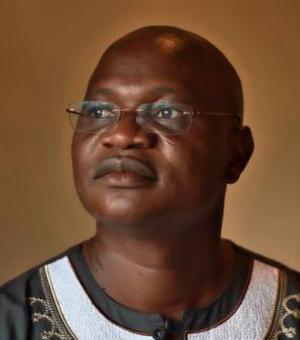
Foto: Oxford Research Centre in the Humanities
Nelson Mlambo is a Senior Lecturer in Language and Literature Studies at the University of Namibia and a Visiting Fellow at the University of Oxford. He specializes in postcolonial African literature, with a particular focus on Southern Africa, and conducts research on conflict, memory, and narratives of peace and resilience.
Kommentar
Keine Kommentare