
Lezing | Dealing with Dictators
Germany, Human Rights and Worldwide Autocracies, from the 1950s till the present day
| Veranstaltung des Duitsland Instituut Amsterdam |
|
|---|---|
| Datum: | Donnerstag 9 Juli 2026 um 17:00 Uhr |
| Ort: | Amsterdam Humanities Hub workspace, Universiteit van Amsterdam (Bushuis), Kloveniersburgwal 48, Amsterdam |
| Information: | Voertaal: Engels. De bijeenkomst is volgeboekt. |
| Zugang: | Gratis |
 © C.H. Beck Verlag
Deze bijeenkomst is volgeboekt. Je kunt je helaas niet meer aanmelden.
Hoe moeten democratieën omgaan met autocratieën? Historicus Frank Bösch laat op basis van uitgebreid archiefonderzoek zien hoe Duitsland sinds de Tweede Wereldoorlog nauwe relaties ontwikkelde met dictaturen zoals Rusland, China of Iran, maar ook hoe mensenrechtenactivisme een substantiële invloed had op het buitenlandse beleid. Op 9 juli spreekt hij hierover met historicus Beatrice de Graaf in Amsterdam. Welke lessen kunnen we trekken voor de omgang met hedendaagse regimes?
De voertaal van dit evenement is Engels.
How should democracies approach autocracies? This question is pertinent to politicians, ceo’s and human rights activists and ordinary citizens alike. Germany’s close cooperation with dictatorships has been widely criticized over the past decade. Close ties to non-democratic states such as Russia, China or Iran have led to calls for tougher sanctions. Based on extensive archival research, historian Frank Bösch shows on the one hand how Germany developed close relationships with dictatorships around the world since WOII and on the other how human right activists and their critique did substantially impact foreign policy.
In our debate, we will discuss these past practices and failure paths, and will raise the question how we can profit from these insights vis-à-vis today’s strongmen regimes.
About the speakers
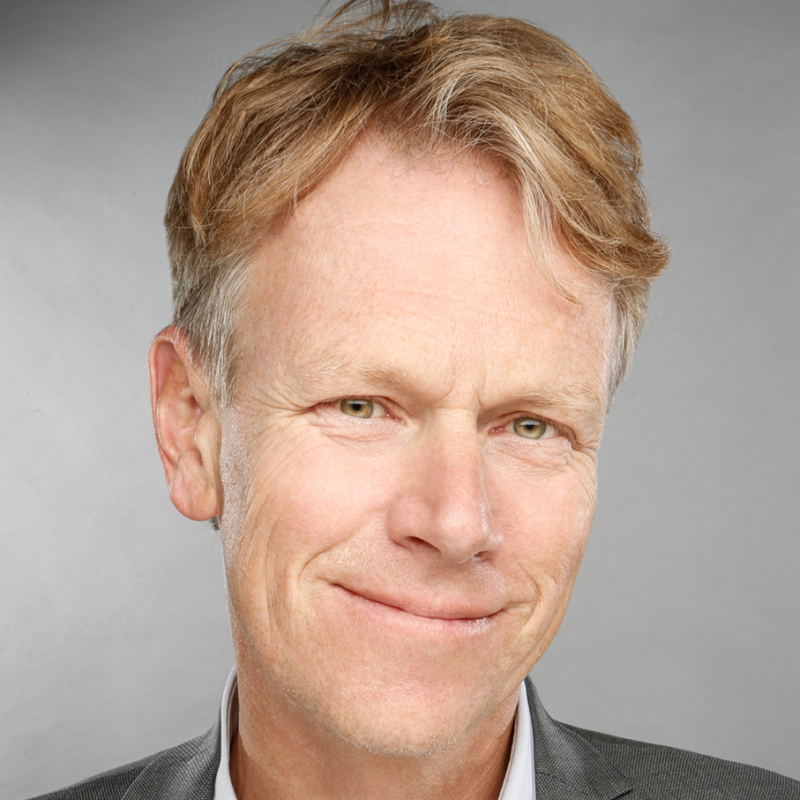
Frank Bösch is Professor of 20th-Century European History at the University of Potsdam and Director of the Leibniz Centre for Contemporary History Potsdam (ZZF). He is author of several monographs, including bestsellers like Zeitenwende 1979. Als die Welt von heute begann. His most recent book analyzes Germany’s foreign policy relations towards autocratic regimes: Deals mit Diktaturen. Eine andere Geschichte der Bundesrepublik – Deals with Dictators. The untold history of (West-)Germany. (Photo: Andy Küchenmeister)
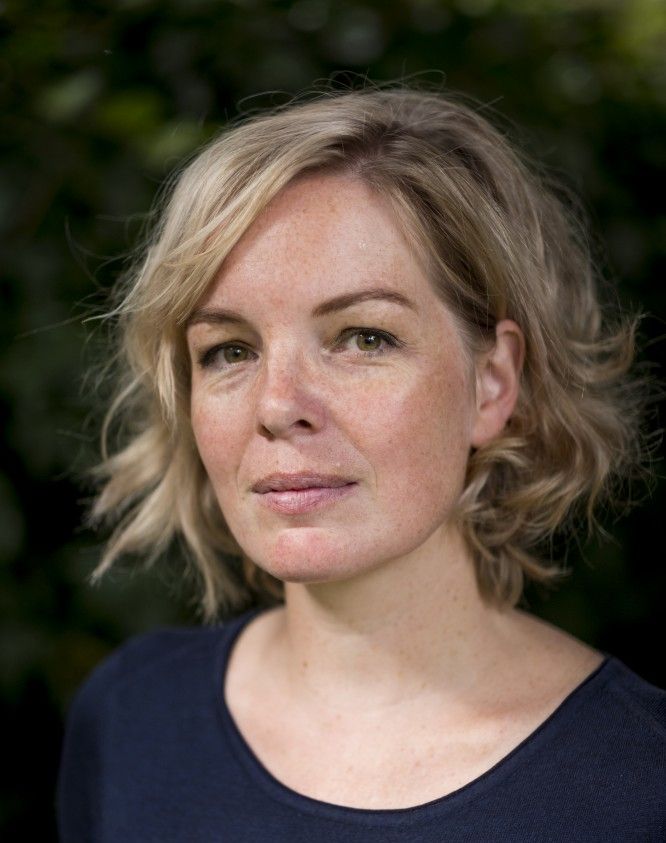
Beatrice de Graaf is a faculty professor and holds the chair in History of International Relations at Utrecht University. For her monograph Tegen de terreur/Fighting terror, she received the Arenberg Prize for the Best Book in European History in 2022. De Graaf conducts research on security, crisis, terrorism, and conflict from a historical perspective, often focusing on Germany and German history. She translates her insights into professional and vocational practice and makes them accessible to a wide audience and the media.